Nigeria’s digital transformation story is one of both progress and paradox. On one hand, the country has witnessed steady growth in connectivity, with internet penetration estimated at around 65% and broadband access crossing the 50% threshold by 2025 (according to the Nigerian Communications Commission (NCC) and industry reports). On the other hand, this progress remains uneven—masking a deep and persistent digital divide between urban and rural populations. While urban connectivity levels approach 80–85%, rural internet access still lingers between 23–45% (according to multiple industry analyses and digital inclusion reports), leaving tens of millions of Nigerians excluded from the digital economy.
This digital divide is not merely about infrastructure; it reflects broader inequalities in access to education, markets, healthcare, weather information, and economic opportunities. And despite significant policy efforts, it is increasingly clear that conventional, top-down approaches alone cannot close this gap.
The Federal Government’s National Broadband Plan (2020–2025) set an ambitious target of 70% broadband penetration, alongside improved internet speeds and reduced data costs. While these targets signaled strong political will, outcomes have not been as envisaged, with penetration only slightly above 50% by the end of the plan period (according to NCC data). This gap between ambition and delivery highlights a fundamental challenge: last-mile connectivity cannot be solved by infrastructure rollout alone—it requires models that are locally rooted, context-aware, and socially inclusive.
This is where community-led connectivity models are redefining the narrative.
Rather than positioning communities as passive recipients of digital infrastructure, these models treat them as active participants in the design, deployment, and management of connectivity solutions. The shift is subtle but profound. It moves the focus from digital access to ownership, from infrastructure to ecosystems.
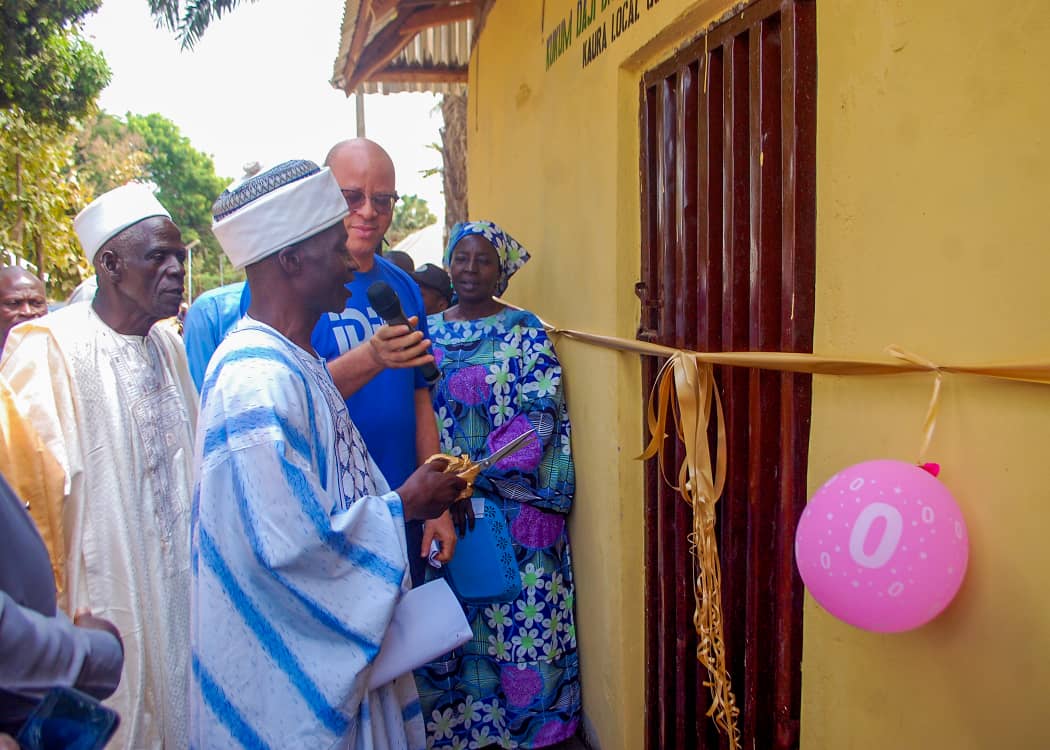
In practice, this often takes the form of community connectivity hubs—shared digital spaces that provide affordable or free internet access, devices, and, critically, digital skills training. When powered by renewable energy such as solar, these hubs address not just connectivity gaps, but also the persistent challenge of unreliable electricity. More importantly, they are embedded within the social fabric of the community, making them more responsive, trusted, and sustainable.
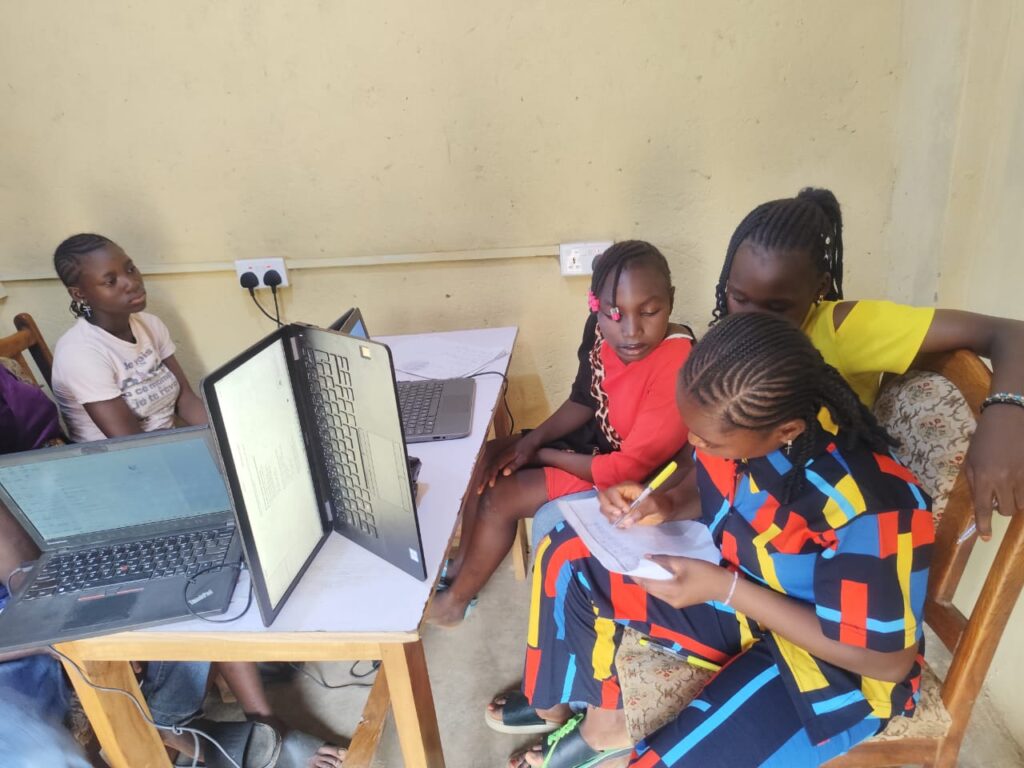
The implications are far-reaching—and increasingly aligned with Nigeria’s digital future. In communities where such models are implemented effectively, connectivity becomes a catalyst for transformation. Students gain access to global learning platforms and can participate in computer-based testing (CBT) environments that are now central to examinations like JAMB and other standardized assessments. As national examination bodies such as WAEC and NECO continue their transition toward digital registration and, potentially, fully computer-based examinations, community connectivity hubs can serve as critical access points for students in underserved areas.
Entrepreneurs expand into digital markets, farmers leverage real-time data for better decision-making such as accessing weather forecasts to plan planting cycles, comparing market prices to determine where and when to sell, and learning improved farming techniques—and youth begin to tap into remote job opportunities. Beyond economic use, connectivity is also becoming essential for civic participation. Community-based digital access points can enable citizens to engage with e-government platforms—registering for national identity services, filing taxes, or participating in digital feedback mechanisms. In this sense, connectivity hubs double as civic tech enablers, strengthening the relationship between citizens and the state.
With over 120 million mobile internet users already in Nigeria (according to NCC and GSMA estimates), the foundation for a thriving digital economy exists—but its benefits remain unevenly distributed.
Equally critical is the role these models play in advancing inclusion. By intentionally engaging women, youth, and marginalized groups—including persons with disabilities (PWDs)—community-led approaches ensure that digital transformation does not replicate existing inequalities, but instead helps to reduce them.
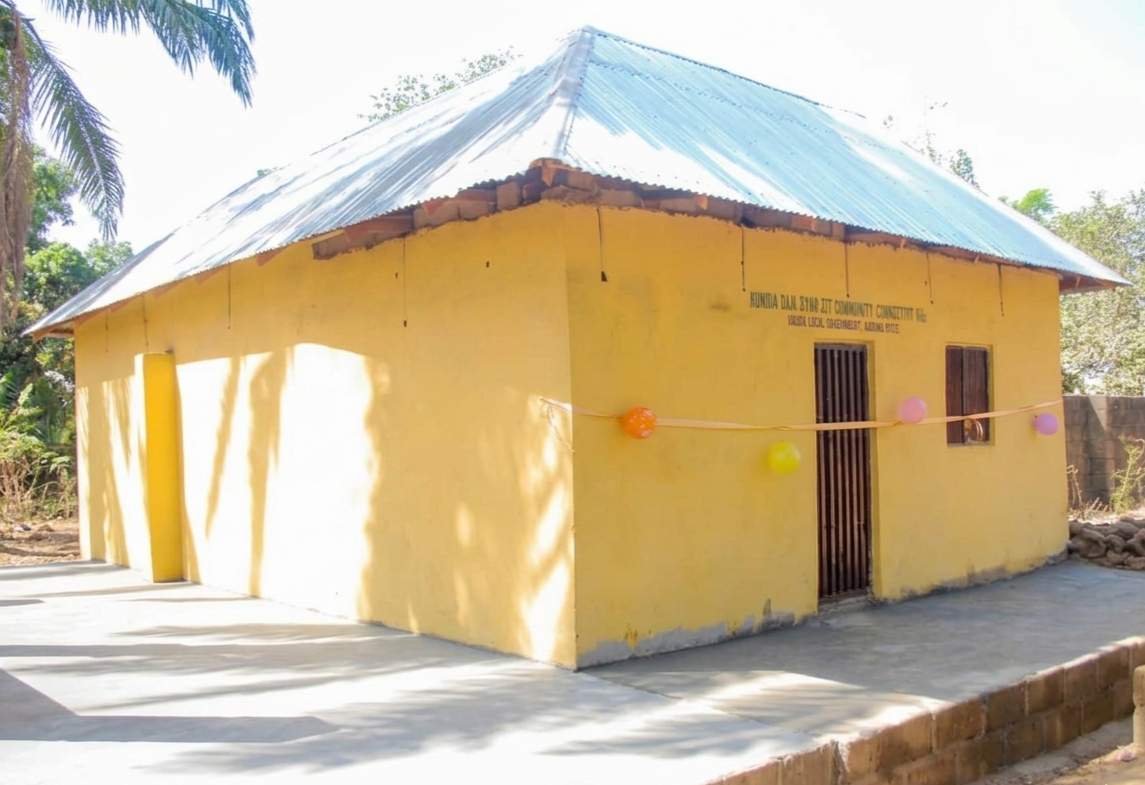
Importantly, practical implementation on the ground is already reinforcing the viability of this model. Initiative for Digital Inclusion (IDI), with the mandate of the United Kingdom Government’s Foreign, Commonwealth & Development Office (FCDO), through its Digital Access Programme (DAP) is actively facilitating the establishment of 10 community connectivity hubs across Nigeria, with five already operational in different communities. Early field experience offers a compelling insight: demand is not the barrier—digital access is. Across communities engaged so far, there has been strong enthusiasm and ownership from youth, women, persons with disabilities, community leaders, and religious leaders alike, all expressing a clear eagerness to see these hubs established and operational. Notably, local government chairmen in some of these communities have gone a step further by pledging financial support toward the establishment and sustainability of the hubs—signaling growing institutional buy-in at the grassroots level. This reinforces a critical point—when solutions are designed with communities, adoption is not a challenge; it is a given.
From a sustainability standpoint, the advantages are equally compelling. Community ownership fosters accountability and long-term maintenance, addressing a common failure point of externally driven projects. Local governance structures can manage operations, while strategic partnerships with government, private sector actors, and development organizations provide the necessary technical and financial support to scale.
For policymakers, the lesson is clear: the next phase of Nigeria’s digital strategy must go beyond infrastructure targets to embrace implementation models that prioritize inclusion, participation, and local relevance. This means creating enabling regulatory frameworks for community networks, investing in large-scale digital literacy, and fostering public-private-community partnerships that can deliver impact at the last mile.
Nigeria does not lack ambition when it comes to digital development. What it needs now is a shift in approach. Bridging the digital divide will not be achieved by simply extending networks—it will be achieved by embedding connectivity within communities in ways that empower them to own, use, and sustain it. Community-led connectivity models offer a pathway to do exactly that.
In the final analysis, the future of digital inclusion in Nigeria will not be determined by how many people are connected, but by how meaningfully they are able to participate. And that future will be built not just for communities—but with them.
References
- Nigerian Communications Commission (NCC). Subscriber/Network Data Reports (2024–2025).
https://www.ncc.gov.ng/statistics-reports/subscriber-data - Federal Ministry of Communications, Innovation and Digital Economy. National Broadband Plan (2020–2025).
https://www.ncc.gov.ng/documents/880-national-broadband-plan-2020-2025/file - GSMA. The Mobile Economy Sub-Saharan Africa (2023–2024).
https://www.gsma.com/mobileeconomy/sub-saharan-africa/ - International Telecommunication Union (ITU). Measuring Digital Development: Facts and Figures.
https://www.itu.int/en/ITU-D/Statistics/Pages/facts/default.aspx - World Bank. Digital Economy for Africa (DE4A) Initiative Reports.
https://www.worldbank.org/en/programs/all-africa-digital-economy - Alliance for Affordable Internet. Affordability Report.
https://a4ai.org/research/affordability-report/