From Isolation to Access: The Abalabi Story
Getting in or out of Abalabi, a farming settlement in Ewekoro Local Government Area, Ogun State, is a test of patience. The road in is rough, and cellular network signal is sparse once you arrive. Farming is the community’s major occupation, with residents growing rice, cassava, maize, palm kernel, vegetables, tomatoes, and pepper, but that isolation has meant missed online information, limited market access, and young people with little exposure to digital tools, shaping opportunity elsewhere. With digital-first outreach ruled out by poor network coverage, Initiative for Digital Inclusion (IDI) reached Abalabi the way word has always travelled there: through the palace and the community council.
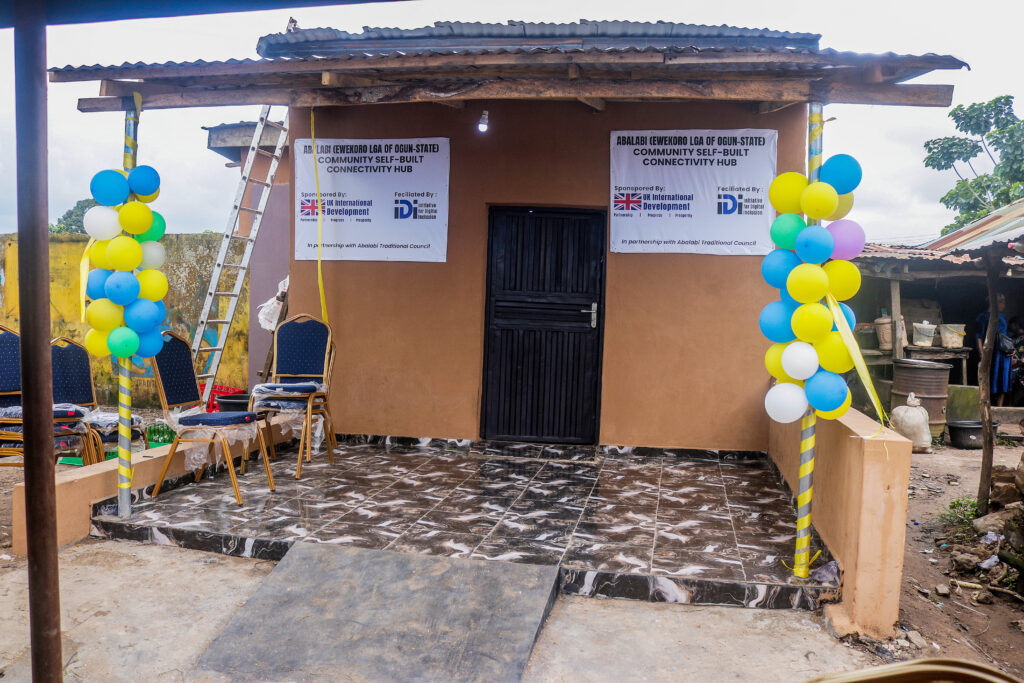
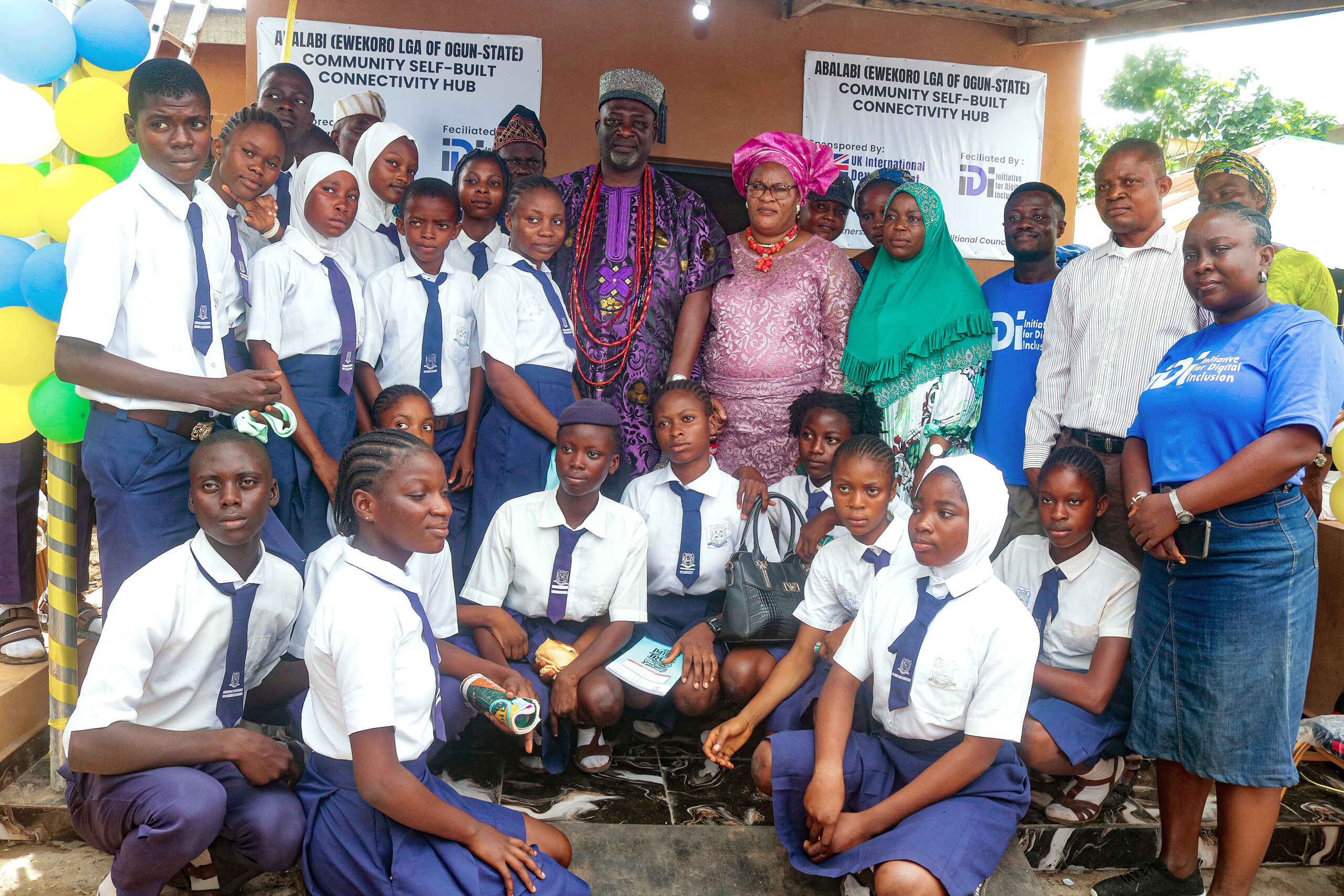
That groundwork paid off on 25th June 2026, when the Abalabi Community Connectivity Hub was formally inaugurated, just four weeks after engagement began, the fastest turnaround of any hub under the IDI projects. The hub was implemented by IDI in collaboration with the Abalabi Traditional Council, with sponsorship from the UK Government’s Foreign, Commonwealth and Development Office (FCDO) under the Digital Access Programme (DAP).
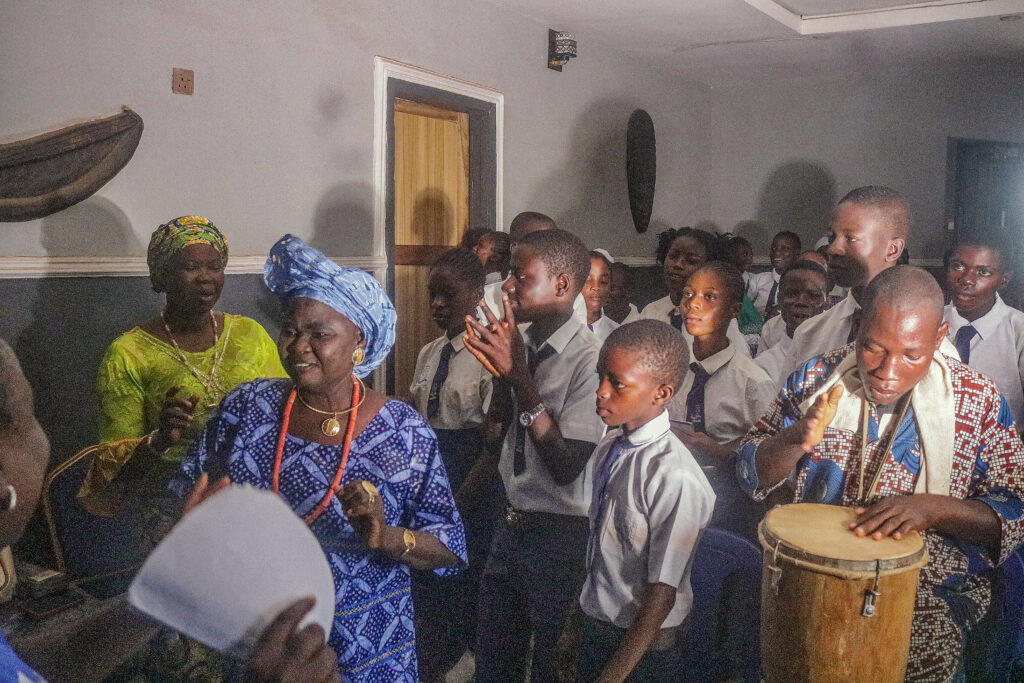
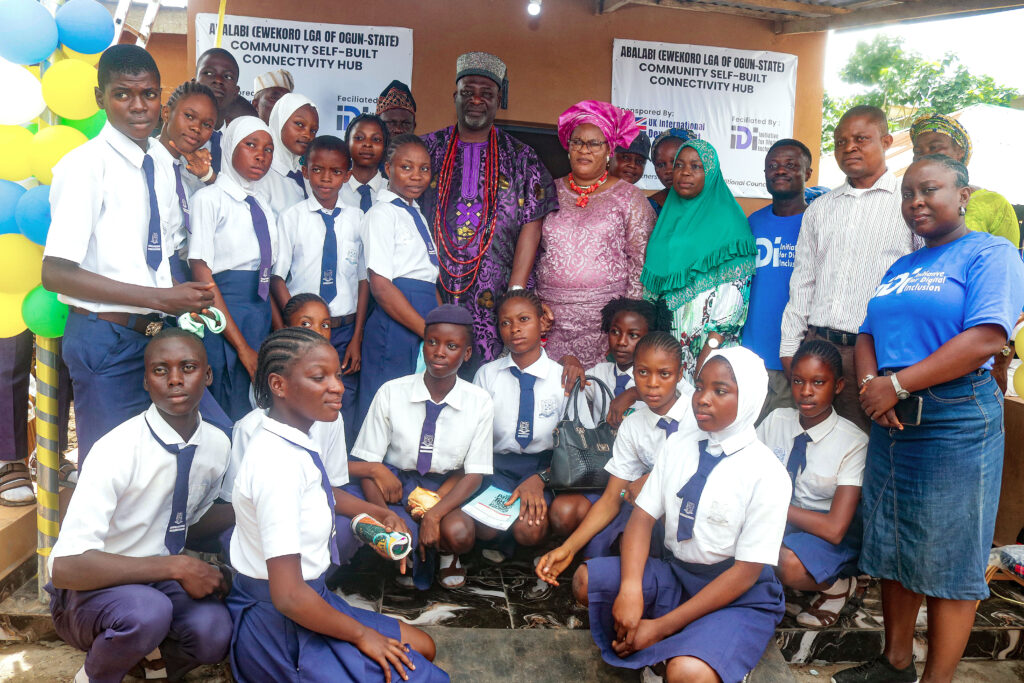
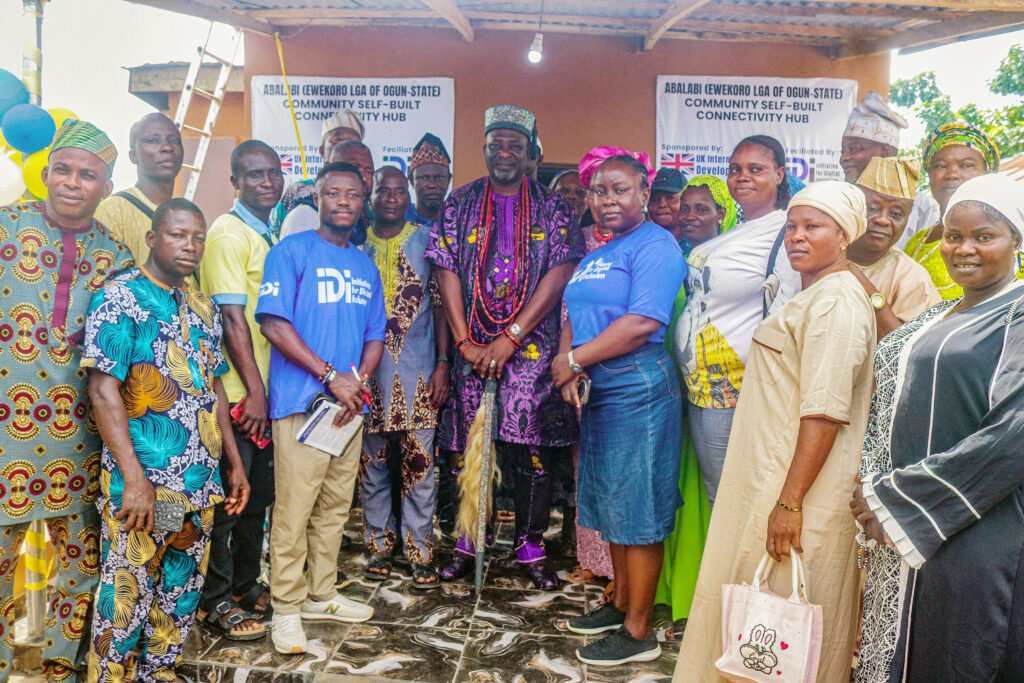
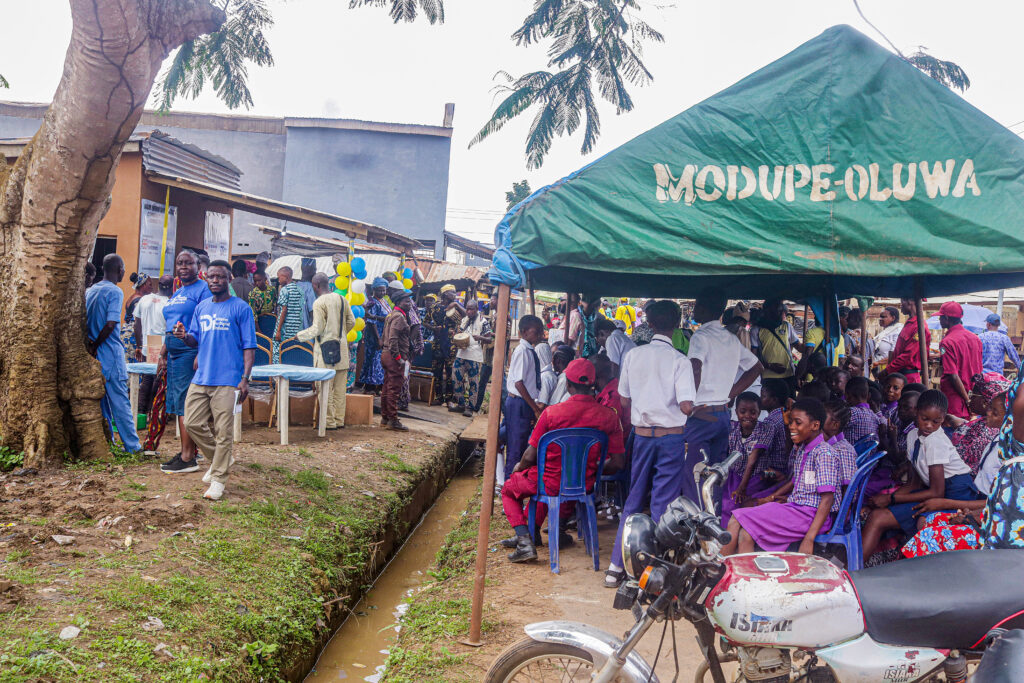
Gatekeeper Mr Kayode Bashorun received the IDI team at the palace and introduced them to His Royal Majesty, Oba Taofeek Bakare, Biobaku Osunfinade (Akowo I), Ilufemiloye, who welcomed them with singing, drumming, and dancing alongside the Traditional Council, staff and students of Ifedapo Community Comprehensive High School and African Church Central School, and other residents and invited guests. After discussing what ownership of the hub would mean for his people, the Oba signed a Memorandum of Understanding committing the Traditional Council to its long-term management.
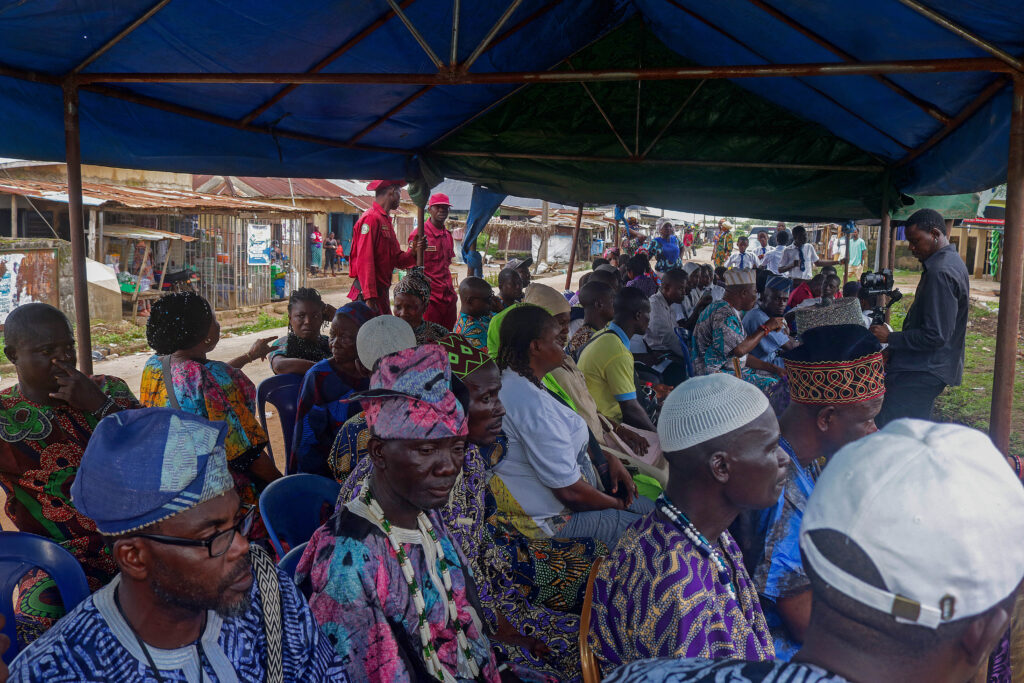
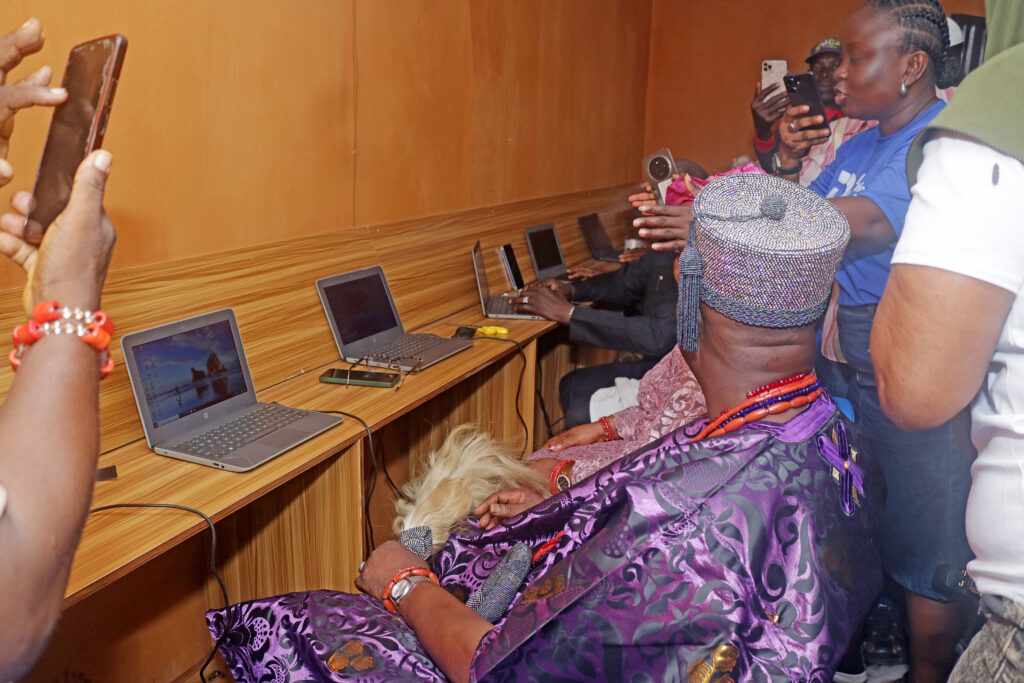
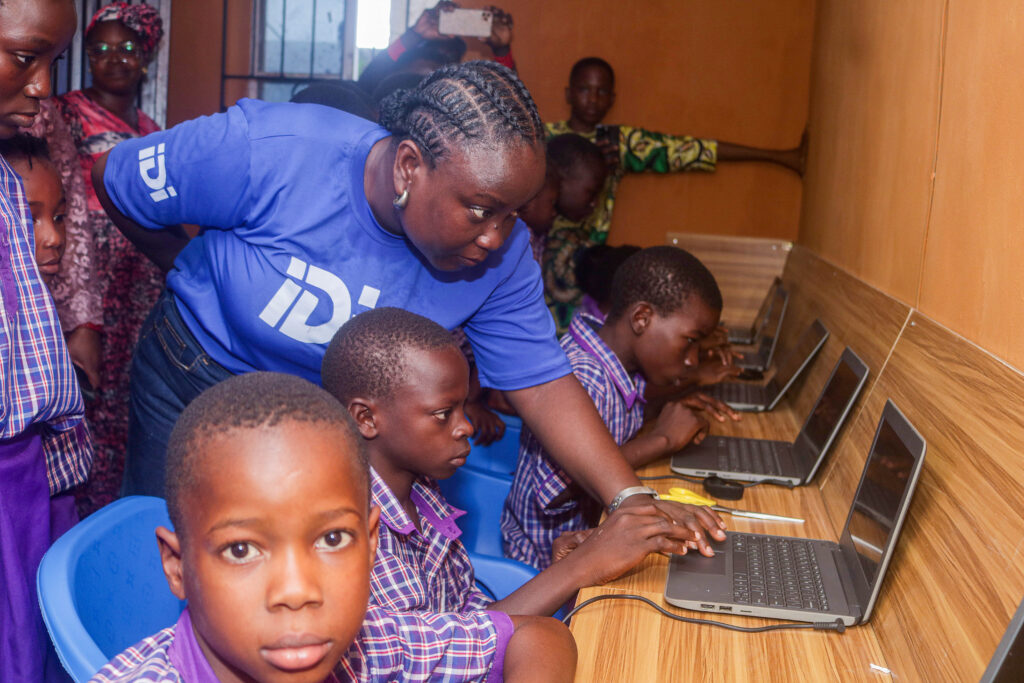
By mid-morning, the hub site had filled with residents for the ribbon-cutting and demonstration session, which drew visible curiosity as many tried internet access and computers for the first time. The Oba called on residents to protect the facility for generations to come, and before the team departed, presented them with baskets of fresh fruits in appreciation.
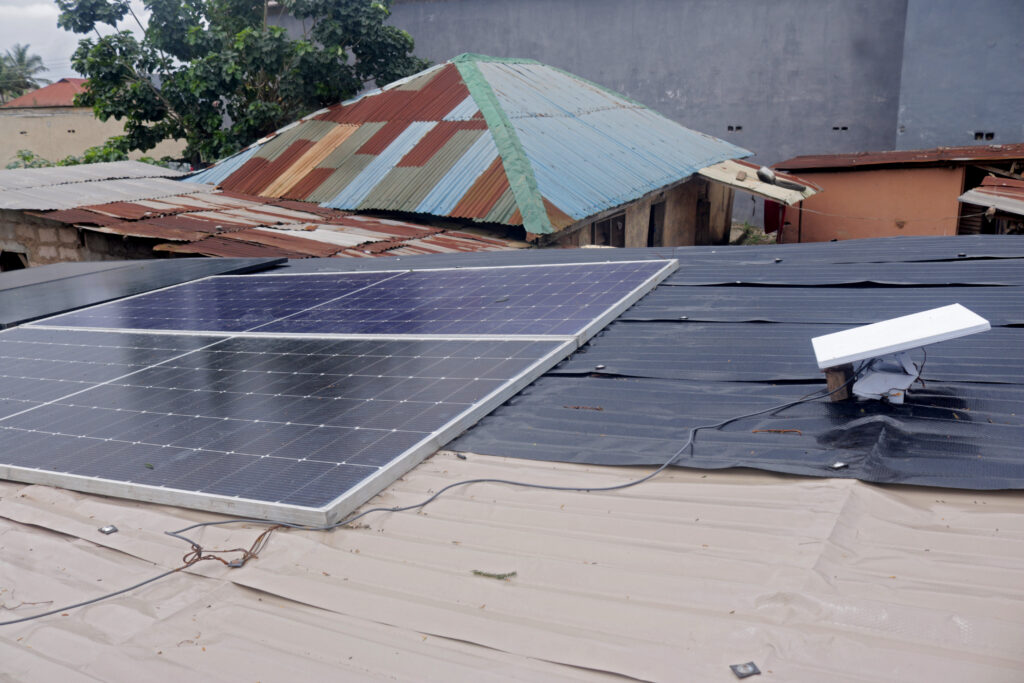
Powered by green energy and backed by a reliable internet connection, the hub now stands as the first reliable point of internet access many residents have had, which will serve students, women in small trades, and youth seeking a way into the digital economy. Its reach also extends to nearby landmarks including the Lafarge Africa Ewekoro Cement Plant, Obasanjo Farms Nigeria, and the Olabisi Onabanjo University Ibogun Campus, home to the University’s Faculty of Engineering.
With the Hub Management Team now oriented on operations, maintenance, and reporting, Abalabi’s next chapter is about use: eight weeks of free digital literacy training, continued sensitisation, and the sustainability arrangements that will keep the hub running. If four weeks got it this far, Abalabi is not short on the will to make it work.